A Typical Visit Includes Inspection, Testing, Diagnosis, and Clear Next Steps
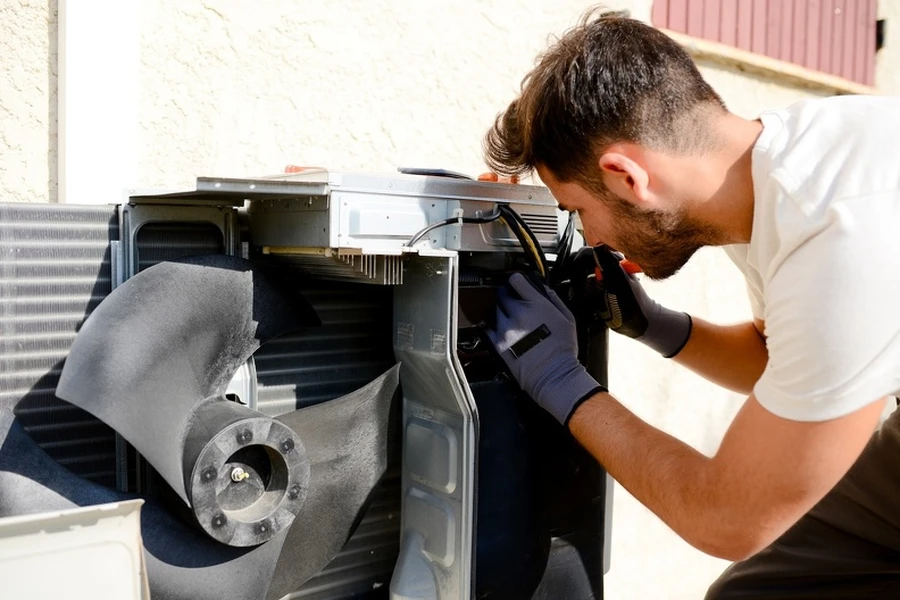
During an HVAC repair service, a technician will inspect your system, test key parts, find the cause of the problem, and explain the repair options. In many cases, the visit starts with questions about what you have noticed at home, like weak airflow, odd sounds, warm air, or a unit that will not turn on. If you are in Chicago, IL, this process can help stop bigger issues before weather changes make your home less comfortable.
Quick Answer
Most HVAC repair service visits follow a simple path. The technician checks the thermostat, power supply, filters, wiring, moving parts, and system performance. After that, they share what is wrong, what may need to be fixed now, and what should be watched later. The goal is to get the system working safely and help you know what comes next.
What You Need Before Starting
You do not need to be an expert before a repair visit. Still, a little prep can help the process move faster. Try to make the indoor unit, outdoor unit, and thermostat easy to reach. It also helps to write down the problems you have seen. For example, note when the system stopped cooling, how long the sound has been happening, or if the breaker has tripped more than once. If your system is part of a larger heating and cooling setup or another service category, share that too.
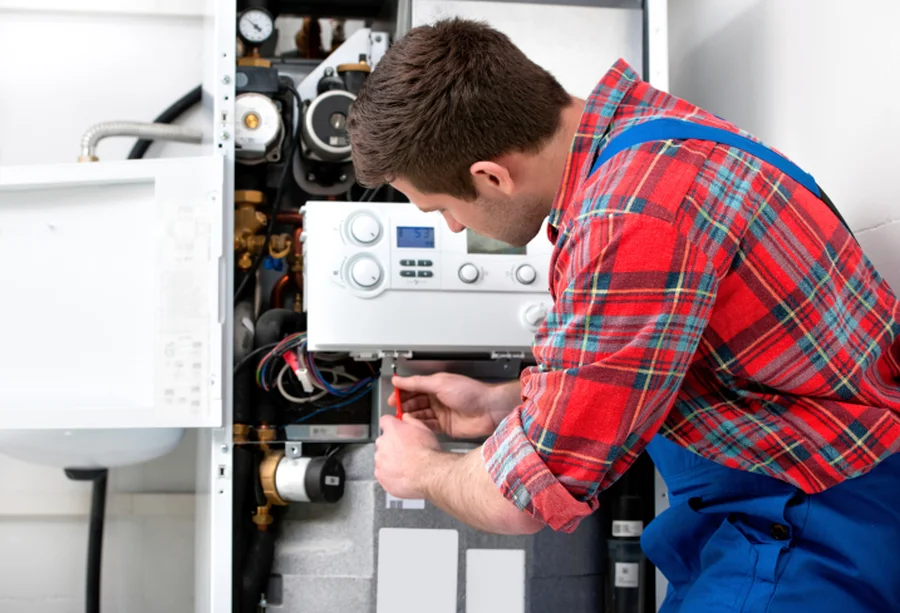
Helpful details may include the age of the unit, the last time it was serviced, and whether the issue happens all day or only at certain times. These small clues can point the technician to the right area much faster.
Step-by-Step Process
While each home is different, most repair calls follow the same basic steps.
- The technician asks about the problem and how long it has been happening.
- The thermostat settings are checked first.
- Power, breakers, and disconnects are inspected.
- The air filter and airflow are reviewed.
- Main parts are tested, such as the blower, capacitor, contactor, motor, or refrigerant level.
- The system is run to watch how it starts, cools, heats, or cycles off.
- The cause of the issue is explained in plain language.
- Repair options and next steps are shared.
Some repairs are quick, like replacing a failed capacitor or tightening a loose wire. Others take more time, like finding a refrigerant leak, changing a blower motor, or fixing control board issues. If a part is not on hand, the technician may set a follow-up visit.
Common Mistakes to Avoid
Many homeowners try a few things before scheduling an HVAC repair service. That makes sense, but some mistakes can make the problem worse. One common issue is changing thermostat settings over and over without checking the battery, mode, or temperature setting. Another is ignoring a dirty filter, which can block airflow and make the system seem broken when it is really being starved for air.
People also sometimes reset the breaker again and again. If the breaker keeps tripping, that can be a warning sign of an electrical problem. Running the unit that way can lead to more damage. It is also a bad idea to open sealed parts, handle wiring, or add refrigerant without the right tools and training.
- Do not block vents with rugs or furniture.
- Do not keep running a unit making loud metal sounds.
- Do not ignore water near the indoor unit.
- Do not assume every problem means full system replacement.
When to Call a Professional
Some small checks are safe for homeowners, like replacing the filter, checking the thermostat battery, or making sure the breaker is on. But many HVAC problems need a trained professional. Call for help if the system will not start, is blowing the wrong temperature, smells like burning, leaks water, freezes up, or makes grinding, banging, or buzzing sounds.
You should also call if your energy bill jumps for no clear reason. A unit can still run while working poorly. That often means it is using more power than normal. Fast service can help stop more wear on major parts and may help avoid a full breakdown on a very hot or very cold day.
What the Repair Visit May Uncover
Not every service call ends with the same repair. Sometimes the issue is simple, like a clogged drain line or a dirty flame sensor. Other times, the technician may find more than one problem. For example, a weak capacitor may have caused hard starts, and a dirty coil may have reduced system performance at the same time. A good inspection helps sort out the main issue from the side issues.
You may also learn that the system problem is tied to poor airflow, old duct leaks, or missed maintenance. That does not always mean a big job right away. It just means the repair visit gives a fuller picture of how the equipment is working in your home.
Final Recommendation
The best way to get ready for an HVAC repair service is to clear access to the equipment, note the symptoms, and be ready to share when the problem started. A normal visit should leave you with a clear diagnosis and a simple explanation of the next step. If the issue seems small, fast action can still help stop bigger trouble later.
Need Help With the Next Step?
If you need help in Chicago, IL, we can inspect the issue and explain the repair in simple terms. At King Heating Solutions Inc., we want you to feel informed before any work begins. Call us at (708) 357-9778 to schedule a visit or ask about your system.